What a Busy Day Really Looks Like Inside an Apple Valley Business
From Cedar Avenue and County Road 42 to the Minnesota Zoo, Downtown Shopping Areas, Offices, and Parks, Apple Valley Businesses Deal With Traffic That Changes Throughout the Day and Throughout the Year
Apple Valley can feel quiet in one part of town and extremely busy a few minutes later.
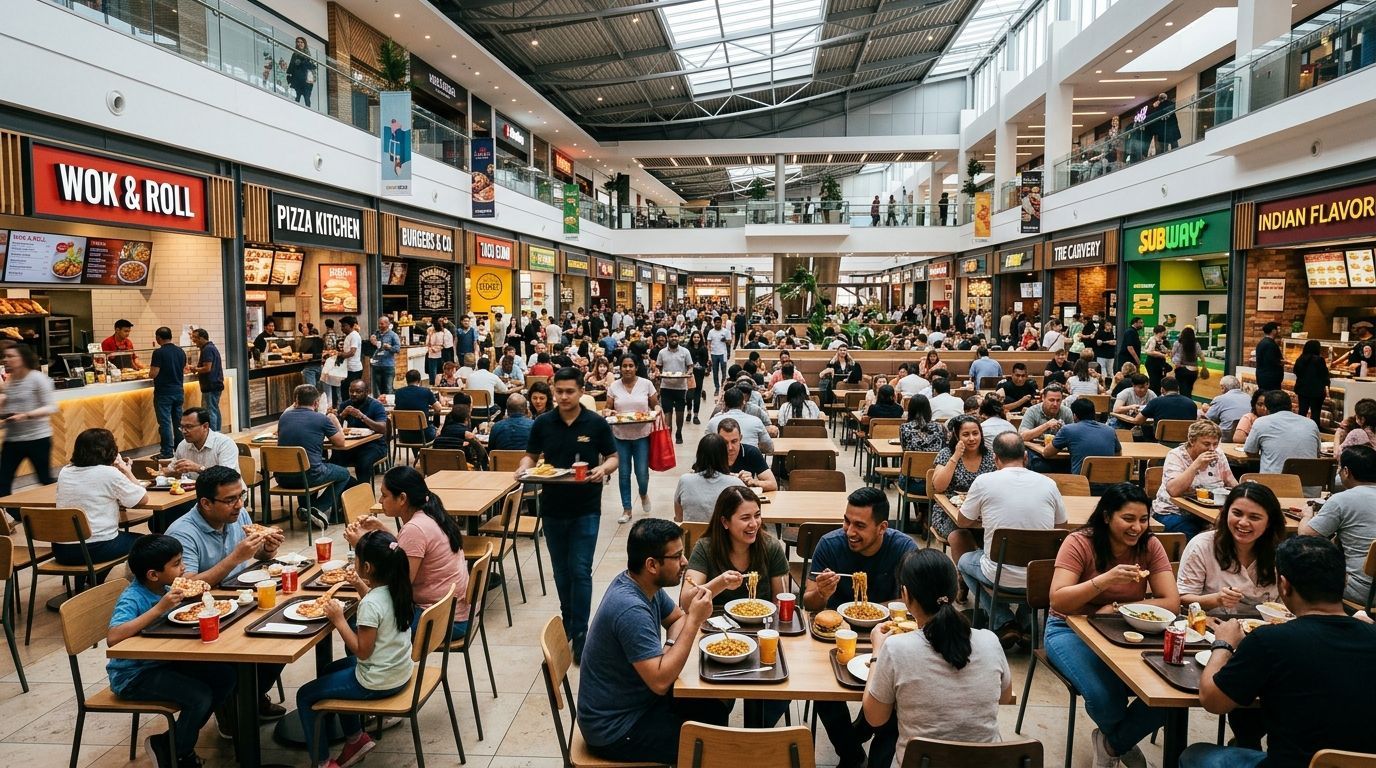
Cedar Avenue is moving with commuters. The shopping areas around County Road 42 are busy with customers. Families are heading toward the Minnesota Zoo. Employees are arriving at offices and medical facilities. Restaurants are preparing for lunch. Delivery trucks are pulling into commercial properties.
All of that activity eventually ends up inside somebody's building.
For a commercial property, that means footprints at the entrance, fingerprints on glass, trash filling up, restrooms getting used, and employee areas looking very different at the end of the day than they did in the morning.
Apple Valley has more than 55,000 residents and sits at the important south metro crossroads of Cedar Avenue and County Road 42. Its location also puts businesses relatively close to Minneapolis, St. Paul, MSP Airport, and the Mall of America.
At Apple Valley Commercial Cleaning, we believe the best cleaning schedule is one that follows the way people actually use the building.
That sounds simple.
But it makes a big difference.
Cedar Avenue Brings a Lot of People Through Apple Valley
Cedar Avenue runs right through the heart of Apple Valley and connects the community with other parts of the south metro and the Twin Cities.
For businesses along or near the corridor, that accessibility is valuable.
Employees can get to work easily.
Customers can stop while running errands.
Restaurants and stores draw people from surrounding communities.
Vendors and delivery drivers can move quickly between locations.
The city's commercial core is largely centered around Cedar Avenue and County Road 42, two heavily traveled routes that have helped shape Apple Valley's business development.
Of course, all those people eventually park, cross a sidewalk, and walk through a commercial entrance.
That is where cleaning starts.
The Front Entrance Usually Shows the Day First
A front entrance can look perfect at 8 a.m.
Then Apple Valley wakes up.
Employees arrive.
Customers begin walking in.
Packages are delivered.
Someone holds the door open for another person.
A few people come in carrying coffee.
By afternoon, the glass has fingerprints and the floor is starting to show traffic.
During Minnesota winter, the difference can be much more dramatic.
Now you have snow.
Slush.
Sand.
Road salt.
Wet entry mats.
The entrance does not need to stay spotless every minute.
That would be nearly impossible.
It simply needs enough attention that normal traffic does not turn into something customers immediately notice.
Regular entrance cleaning may include:
- Vacuuming entry mats
- Mopping hard flooring
- Cleaning glass doors
- Wiping handles and push plates
- Removing salt residue
- Spot cleaning carpet
- Cleaning floor edges
- Removing moisture and debris
It is a small part of the building, but almost everyone sees it.
County Road 42 Creates a Different Kind of Business Day
The commercial areas around County Road 42 have a strong mix of retail stores, restaurants, services, offices, and other businesses.
That creates traffic throughout the day instead of one simple morning and evening rush.
A professional office may be busiest around 8 a.m.
A restaurant may pick up around noon.
Retail traffic could continue through the afternoon and evening.
A medical office may have appointments moving through steadily from morning until closing.
That is why cleaning should not always be based on a single idea of when the building is "busy."
Sometimes there are several busy periods.
For customer facing properties, it can make sense to check entrances, restrooms, trash, and customer areas between those periods rather than waiting until everyone leaves.
The Minnesota Zoo Brings Visitors Who Are Not Just From Apple Valley
One thing that makes Apple Valley different from many surrounding suburbs is the Minnesota Zoo.
The zoo is located directly in Apple Valley and draws visitors from throughout Minnesota and beyond. It is also only about ten minutes south of the Mall of America.
Those visitors do not necessarily drive straight to the zoo and straight home.
They may stop for breakfast.
Eat at a local restaurant.
Buy something they forgot.
Get gas.
Stay nearby.
Visit another business.
For restaurants, retail stores, hotels, and service businesses in the area, that can create traffic from people who may have never been to Apple Valley before.
When someone is visiting your business for the first time, the building becomes part of their first impression.
They notice whether the entrance feels clean.
Whether the restroom is maintained.
Whether the floors look cared for.
Whether the glass is covered in fingerprints.
They may not consciously think about any of it.
They still notice.
Retail Cleaning Has to Happen While People Are Shopping
Retail businesses have a cleaning problem offices do not.
The mess happens in public.
A drink gets spilled at 1 p.m.
Customers continue walking past it.
The restroom needs attention at 2.
The trash near the entrance fills up at 3.
The glass door has fifty fingerprints by 4.
You cannot always wait until closing.
For customer facing Apple Valley businesses, the areas most likely to need attention during the day include:
- Entrances
- Customer floors
- Restrooms
- Checkout areas
- Waiting spaces
- Glass doors
- Trash containers
- Frequently touched surfaces
The full cleaning can happen after hours.
The obvious problems usually should not.
Offices Get Dirty in a Much Quieter Way
An office usually does not have one big mess.
It has fifty small ones.
Someone leaves a few crumbs in the break room.
Coffee drips next to the machine.
Dust begins collecting around a windowsill.
The conference room table gets fingerprints.
Trash slowly fills underneath desks.
The same hallway gets walked on all day.
Nothing looks particularly bad.
Then Friday afternoon arrives and the office just feels different than it did Monday morning.
That is why office cleaning is mostly about consistency.
A little attention on a regular schedule prevents the building from getting to the point where employees start noticing what has been missed.
The Break Room Is Where the Workday Usually Shows Up
You can have a spotless reception area and still know exactly how busy the office was by looking at the break room.
Morning coffee happened.
Lunch happened.
More coffee happened.
The refrigerator door opened all day.
The microwave got plenty of use.
Somebody dropped crumbs.
Someone else left a little water near the sink.
That is normal.
People are supposed to use the room.
A regular break room cleaning routine can include:
- Countertops
- Tables
- Sinks
- Appliance exteriors
- Refrigerator handles
- Cabinet pulls
- Floors
- Trash removal
- Frequently touched surfaces
Customers may never see the break room.
Employees see it almost every day.
That is reason enough to keep it comfortable.
Medical and Professional Offices Need a Calm First Impression
Apple Valley's commercial planning includes continued opportunities for medical offices, corporate employers, manufacturing, and other employment uses as the city looks toward future growth.
Medical and professional offices have a different feel from retail properties.
People often arrive for an appointment.
They check in.
They sit in a waiting area.
They may use the restroom.
They spend time looking around before their appointment even starts.
That makes small details more noticeable.
Dust around a waiting room table.
Debris on the floor.
Fingerprints on glass.
An overflowing trash container.
A restroom that needs attention.
A clean environment does not guarantee someone has a good appointment.
But it helps the building feel organized, comfortable, and cared for.
Restrooms Should Be Cleaned According to Traffic
Restroom size really does not tell you much about how often it needs cleaning.
The people do.
A restroom used by twelve employees might stay in great shape all day.
A restroom used by employees plus a steady stream of customers could need another check by lunchtime.
Higher traffic usually means more:
- Water around sinks
- Mirror spots
- Trash
- Paper on floors
- Supply use
- Dirty handles
- Floor cleaning
- Odor concerns
Sometimes the solution is not a longer cleaning checklist.
It is simply checking the restroom more often.
Winter Turns Cedar Avenue Traffic Into Floor Traffic
Anyone running a business in Apple Valley during January knows how this works.
Employees drive on salted roads.
They park in salted parking lots.
They walk across snowy sidewalks.
Then they enter the building.
The snow melts.
The sand stays.
The road salt dries.
Now the floor has a white film across it.
More people arrive.
The mess moves farther inside.
This is why winter commercial cleaning is often about containment.
Keep the worst of the salt, sand, and moisture near the entrance instead of allowing it to travel through the building.
That may mean putting more attention on:
- Main entrances
- Employee entrances
- Entry mats
- First floor hallways
- Carpet near doors
- Hard flooring
- Wet areas
- Salt residue
The rest of the building becomes much easier to maintain when the entrance is under control.
The Employee Door Can Be Busier Than the Customer Door
The nicest entrance is not always the busiest one.
A larger office or commercial facility may have forty, sixty, or a hundred employees arriving through a side or rear entrance every morning.
During winter, all of them cross roughly the same parking area.
They come through the same door.
Then they follow the same hallway.
By 9 a.m., you can sometimes see the exact path everybody took.
A cleaning plan that only focuses on the customer entrance can completely miss this.
Every entrance should be evaluated according to how much it is actually used.
Spring Gives Floors a Different Problem
Once winter ends, there is usually a short moment of relief.
Then the snowbanks melt.
Suddenly there is sand everywhere.
Parking lots are wet.
Rain starts.
Mud gets tracked inside.
The entrance is still the problem, but the mess looks completely different.
That is why commercial cleaning schedules in Apple Valley should have some seasonal flexibility.
January may require more salt removal.
April may need more mopping and carpet attention.
Summer can mean more dust and pollen.
Fall brings leaves and moisture.
The same cleaning routine twelve months a year sounds simple.
It does not always make sense.
Apple Valley Has an Outdoor Side That Comes Back Through the Door
Apple Valley has a strong network of parks, sidewalks, trails, schools, sports facilities, and outdoor destinations. Local trail maps connect destinations including Kelley Park, Valleywood Golf Course, the Minnesota Zoo, and nearby Lebanon Hills Regional Park.
People use those outdoor spaces.
Employees go for walks at lunch.
Families move between parks, sports activities, restaurants, and stores.
People bike.
Kids come in directly from outdoor activities.
Eventually, some of whatever is outside reaches commercial floors.
Mud.
Pollen.
Leaves.
Dust.
Snow.
That is not a cleaning failure.
It is simply part of operating a business in an active community.
The cleaning plan needs to expect it.
Business Growth Can Change Cleaning Needs Without Changing the Building
Apple Valley is planning for continued business investment, including employment growth and future mixed business development.
Individual businesses grow too.
Maybe you started with fifteen employees.
Now you have thirty five.
Maybe customer traffic increased.
Maybe you added another shift.
Maybe a storage area became office space.
Maybe a waiting room is suddenly used twice as much.
The building might have exactly the same square footage.
But the cleaning job has changed.
That is why every business should occasionally ask:
Does our current cleaning schedule still match how we use the building today?
Sometimes adding more cleaning everywhere is not the answer.
Maybe one restroom needs more frequent attention.
Maybe the employee entrance needs another floor cleaning.
Maybe the break room should be serviced more often.
Small adjustments can make a noticeable difference.
High Touch Areas Are Easy to Forget Because They Do Not Look Dirty Right Away
People touch certain surfaces constantly.
Door handles.
Light switches.
Reception counters.
Elevator buttons.
Conference room handles.
Coffee machines.
Copiers.
Restroom fixtures.
You usually cannot see every fingerprint or mark immediately.
That is why these areas are easy to forget.
Frequently touched surfaces can be included in routine cleaning without turning the process into something complicated.
It is simply one more way of paying attention to how people actually use the building.
Not Every Room Deserves the Same Amount of Cleaning Time
This is where commercial cleaning can become more efficient.
Imagine spending fifteen minutes every night cleaning an empty conference room while the main entrance needs another floor cleaning.
The checklist might look good.
The building is not getting the attention in the right place.
For many Apple Valley businesses, cleaning can be divided by frequency.
Areas That Often Need Frequent Attention
- Entrances
- Restrooms
- Break rooms
- Trash areas
- Customer spaces
- High traffic floors
- Glass doors
- Frequently touched surfaces
Areas That Can Often Be Rotated
- Baseboards
- High ledges
- Air vents
- Cabinet tops
- Interior glass
- Detailed floor edges
- Lower traffic offices
- High dusting
Everything still gets maintained.
It simply gets cleaned when it makes sense.
Restaurants Have Their Own Busy Clock
Restaurant cleaning is another good example of why time matters.
A restaurant can be quiet at 10:30 a.m.
At 12:15, it is completely different.
Lunch ends.
Things settle down.
Then dinner begins.
A cleaning plan should recognize those patterns.
Customer restrooms may need a check between rushes.
The entrance might need attention before dinner.
Trash can be handled before the next crowd arrives.
Floors can be spot cleaned where needed.
Sometimes cleaning at the right moment matters more than simply doing more cleaning.
A Clean Building Should Still Look Like People Use It
A commercial property does not need to look like a showroom twenty four hours a day.
That is not realistic.
Customers are supposed to walk in.
Employees are supposed to work.
Meetings are supposed to happen.
People are supposed to eat lunch.
The goal is simply keeping the building from looking neglected.
The restroom gets attention before somebody complains.
Trash is emptied before it overflows.
Salt is removed before it reaches halfway down the hallway.
Glass is cleaned before fingerprints take over the entrance.
Those small things are what keep a busy property feeling maintained.
Commercial Cleaning for Apple Valley, MN Businesses
Apple Valley has a diverse business community centered around major commercial corridors while continuing to plan for new employment and business growth. Its location at Cedar Avenue and County Road 42 gives local businesses convenient access throughout the south metro.
Apple Valley Commercial Cleaning provides commercial cleaning for offices, restaurants, medical facilities, retail businesses, financial institutions, schools, fitness centers, churches, warehouses, dealerships, and other commercial properties throughout Apple Valley.
A smaller professional office may only need service several times each week.
A busy restaurant or retail business may benefit from daily cleaning.
A larger facility might work better with separate schedules for customer areas, employee spaces, and lower traffic sections.
There is no single right schedule for every building.
The right one is the schedule that keeps up with yours.
Frequently Asked Questions
How Often Should an Apple Valley Business Be Professionally Cleaned?
It depends on the facility, number of employees, customer traffic, operating hours, and type of business. Smaller offices may only need service several times per week, while restaurants, medical facilities, retail properties, and other high traffic businesses may benefit from daily cleaning.
Does Winter Increase Commercial Cleaning Needs in Apple Valley?
Yes. Snow, sand, road salt, slush, and moisture can significantly increase cleaning around entrances and heavily traveled floors. Employee entrances can sometimes need even more attention than customer entrances.
Can Commercial Cleaning Be Done After Business Hours?
Yes. Many Apple Valley businesses prefer evening cleaning because the work can be completed with fewer employees and customers in the building.
What Areas Usually Need Cleaning Most Often?
Entrances, restrooms, break rooms, trash areas, customer spaces, heavily traveled floors, glass doors, and frequently touched surfaces usually need the most regular attention.
Can Different Areas of My Building Have Different Cleaning Schedules?
Absolutely. In many commercial properties, this is the most practical approach. Busy spaces can receive frequent cleaning while quieter rooms and detail work follow a rotating schedule.
Need Commercial Cleaning in Apple Valley?
Apple Valley businesses see a little bit of everything.
Morning commuters on Cedar Avenue.
Customers around County Road 42.
Families visiting the Minnesota Zoo.
Employees heading into offices.
Lunch crowds.
Deliveries.
Outdoor activity.
And, for a good part of the year, Minnesota weather arriving right along with everyone else.
Your building is going to show signs of that activity.
That is normal.
Apple Valley Commercial Cleaning can create a cleaning schedule around your facility, operating hours, traffic, and the areas that actually need the most attention.
The goal is not to make your business look like nobody has walked through the door.
It is to make sure that when the next person does, the building still feels clean and cared for.